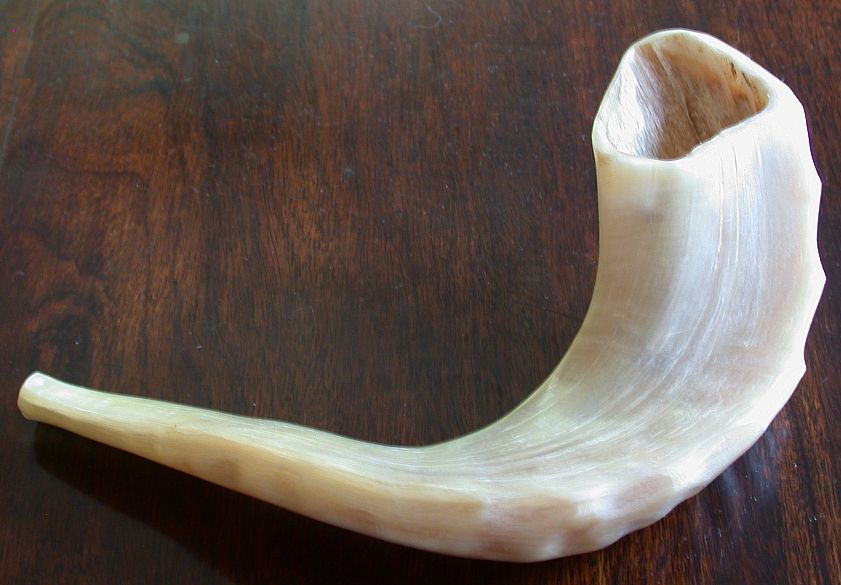
Days of Awe 5724
The ten days of repentance from Rosh Hashanah to Yom Kippur. The High Holy Days (also known as the High Holidays or as the Days of Awe in Hebrew: יָמִים נוֹרָאִים, Yamim Nora'im) is a term used in Judaism to refer to the holiest and most solemn period of the Jewish year, which occurs during the Hebrew month of Tishrei (spanning September to October). Strictly defined, the High Holy Days consist of the Jewish holidays of Rosh Hashanah (the Jewish New Year) and Yom Kippur (the Day of Atonement). By extension, the term is frequently used to describe the entire ten-day period encompassing both holidays, known as the Ten Days of Repentance. The High Holy Days are also sometimes considered to extend through the autumn festival season of Sukkot, Shemini Atzeret, and Simchat Torah. This period is traditionally preceded by a month of spiritual preparation and introspection during the Hebrew month of Elul. Wiki link Dates: Hebcal.com (CC BY 4.0), Diaspora schedule. Text: Wikipedia (CC BY-SA).