Space & Nature

NASA's Astronomy Picture of the Day: a different image of our universe every day since 1995, with a short explanation by a professional astronomer. From science.nasa.gov/apod.

Every Atlantic tropical storm and hurricane since 1851 from NOAA's best tracks, each in the color of its peak strength, with the seasons behind them.

Every earthquake of magnitude 6.5 or more since 1900 from the US Geological Survey, colored by magnitude, the great and deadly ones with their stories.

Every eastern and central Pacific tropical storm and hurricane since 1949 from NOAA's best tracks, each in the color of its peak strength, with the seasons behind them.
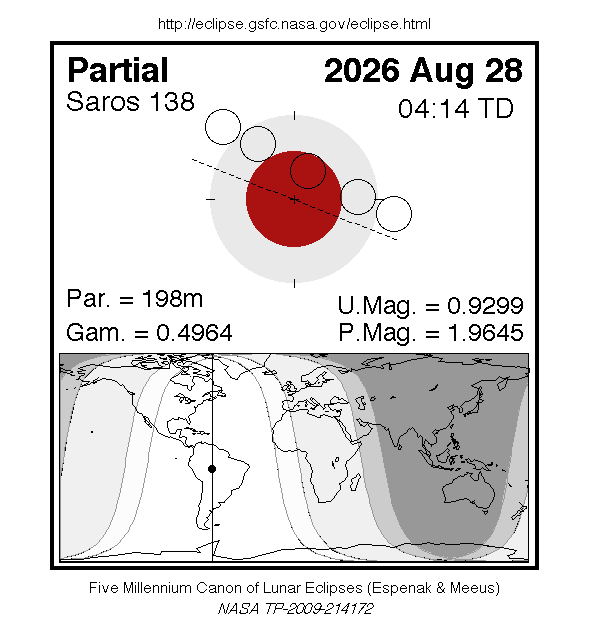
Every solar and lunar eclipse from 1601 to 2400, from NASA's Five Millennium Canons (Fred Espenak and Jean Meeus). Times are the moment of greatest eclipse, in UTC.

The day Kyoto's cherry trees reached full bloom, every year it was recorded since 812 — steady for a thousand years, and earlier since the 1900s.
The year's major meteor showers, from their first meteors to their last, with each peak and how much the Moon will wash it out.

New Moon, First Quarter, Full Moon, and Last Quarter from 2019 to 2025. Each event shows the exact face of the Moon at that moment using NASA SVS libration frames — 730×730px public domain imagery with the Moon's natural wobble (libration) baked in.
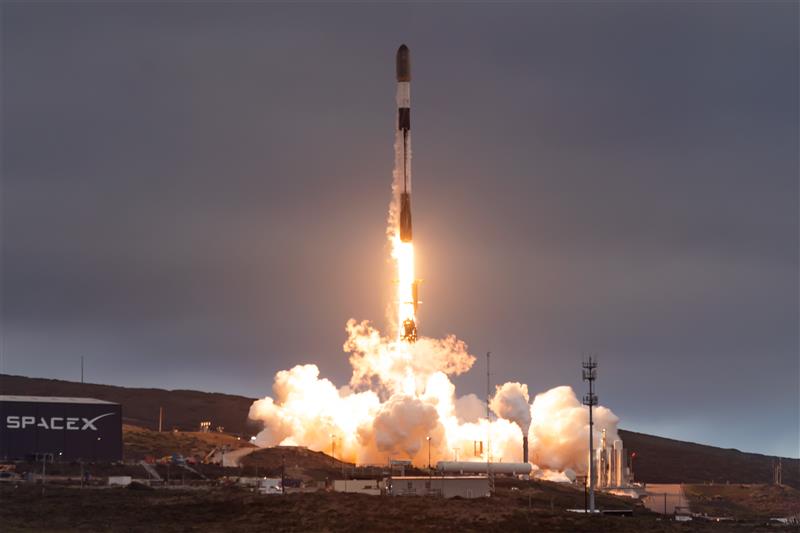
Every orbital launch since Sputnik, and what's coming up — rocket, mission, crew, pad and webcast — from Launch Library 2 by The Space Devs.
The astronomical seasons, from each equinox and solstice to the next, to the minute (Northern Hemisphere; the Southern's are reversed).

The 13 constellations the Sun really passes in front of — Ophiuchus too — as wide as the stars make them, each from the moment it enters.